Have you ever craved a hot dog chili that echoes the warmth of home-cooked meals? Meet Custard Stand Hot Dog Chili, a product that brings the comfort of a small-town diner right to your kitchen. This chili is not just a topping but a testament to the love and dedication of its creators, Dee and Angie. Their journey from running a quaint custard stand to pitching on Shark Tank is a tale of passion and perseverance.
In this article, we will explore how Custard Stand Hot Dog Chili captured hearts on Shark Tank and whether they secured a deal. We’ll delve into their unique product offering and their ambitious vision for national expansion. Join us as we uncover the story behind this beloved chili brand and its journey to becoming a household name.
Custard Stand Hot Dog Chili appeared in Shark Tank Season 7.
Custard Stand Hot Dog Chili Overview
The Custard Stand Hot Dog Chili is more than just a topping; it’s a slice of nostalgia served with a side of innovation. Dee and Angie, the founders, have been serving this cherished chili for over two decades. Their recipe, passed down from Angie’s grandmother, is all about authenticity. It uses 100% beef with no fillers or additives, ensuring you can pronounce every ingredient on the package.
Their chili has a distinct flavor that sets it apart from others. Unlike traditional chili, it contains no beans, making it a perfect match for hot dogs. However, for those who love a bit of spice, their chili soup offers a bean-filled, spicier alternative. This versatility has made their product a favorite in regional stores, where it has garnered a loyal customer base.
Despite their success, Dee and Angie have bigger dreams. They aim to transform their regional success into a national sensation. Their appearance on Shark Tank was a strategic move to gain the investment needed for this expansion. At SharkWorth, we appreciate their journey and are excited to see where it leads them next.
Custard Stand Hot Dog Chili Shark Tank Pitch: Did They Secure a Deal?
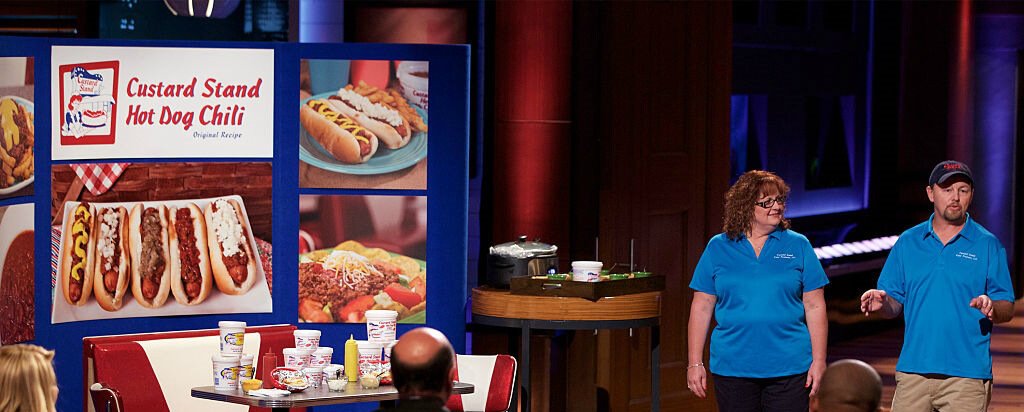
When Dee and Angie stepped onto the Shark Tank stage, they were seeking a $400,000 investment in exchange for a 10% stake in their business. Their pitch was heartfelt, sharing the story of their humble beginnings and their desire to grow beyond their regional roots. They highlighted their impressive sales figures, with $1.6 million in revenue and a profit of $217,000 from regional store sales.
The Sharks were intrigued by the couple’s passion and the product’s potential. The unique recipe and its appeal to both traditional and adventurous palates made it a standout. While the Sharks appreciated the couple’s dedication and the product’s success, the decision to invest was not straightforward. Each Shark weighed the risks and rewards of taking this regional product to a national level.
As the pitch concluded, the question lingered: Did Dee and Angie secure a deal? The outcome of their Shark Tank experience would determine the next chapter of their business journey. For those who have followed their story, the anticipation of whether they received the investment adds an exciting twist to their already inspiring journey.
Custard Stand Hot Dog Chili Networth
When it comes to understanding the net worth of Custard Stand Hot Dog Chili, it’s essential to look at their journey and achievements. Founded by Dee and Angie, this small business has grown significantly since its inception. Their appearance on Shark Tank brought them into the national spotlight, showcasing their potential to a broader audience.
Before their Shark Tank appearance, Custard Stand Hot Dog Chili was already generating impressive sales figures. With $1.6 million in revenue and a profit of $217,000 from regional sales, they demonstrated a solid business model. However, their goal was to expand beyond regional success and become a national brand.
Their pitch on Shark Tank aimed to secure a $400,000 investment for a 10% stake in the company. This valuation placed their business at $4 million, reflecting their confidence in the product’s potential and market demand. While they didn’t secure a deal on the show, the exposure helped boost their brand recognition.
Post-Shark Tank, the company continued to grow and expand its reach. Their commitment to quality and authenticity has earned them a loyal customer base, contributing to their increasing net worth. As they explore new markets and distribution channels, their financial position is likely to strengthen further.
In assessing the net worth of Custard Stand Hot Dog Chili, it’s clear that their dedication to maintaining high product standards and expanding their market presence plays a crucial role. Their journey from a small-town custard stand to a nationally recognized brand is a testament to their hard work and strategic vision.
Custard Stand Hot Dog Chili After Shark Tank
After their Shark Tank appearance, Custard Stand Hot Dog Chili experienced significant changes and growth. Although Dee and Angie didn’t secure an investment from the Sharks, the exposure they received was invaluable. The national attention helped them reach new customers and expand their distribution network.
One of the key strategies they employed post-Shark Tank was focusing on expanding their presence in grocery stores across the country. By leveraging the publicity from the show, they managed to get their product into more regional and national chains. This move helped them tap into new markets and increase their sales volume.
Additionally, Dee and Angie continued to innovate their product offerings. They introduced new varieties of their chili, catering to different taste preferences and expanding their customer base. This diversification has allowed them to remain competitive in a crowded market.
The couple also invested in marketing efforts to maintain the momentum gained from Shark Tank. By utilizing social media and other digital platforms, they engaged with customers directly and built a strong brand community. This approach not only boosted sales but also reinforced their brand loyalty.
Overall, the period following their Shark Tank appearance has been marked by strategic growth and adaptation. Custard Stand Hot Dog Chili has successfully navigated the challenges of scaling a business, proving that passion and persistence can lead to success even without a Shark Tank deal.
Is Custard Stand Hot Dog Chili Still in Business?
If you’re wondering whether Custard Stand Hot Dog Chili is still in business, the answer is a resounding yes. Dee and Angie have continued to run their beloved chili business, building on the momentum from their Shark Tank experience. Their dedication to quality and customer satisfaction has kept them thriving in the market.
Despite the challenges many small businesses face, Custard Stand Hot Dog Chili has managed to sustain its operations and even grow. Their focus on maintaining the authenticity of their product and expanding their distribution has paid off. They remain a popular choice for hot dog lovers and chili enthusiasts alike.
In addition to their retail presence, Custard Stand Hot Dog Chili has expanded its online sales channels. This move has allowed them to reach customers nationwide, further solidifying their position in the market. The convenience of online shopping has made it easier for fans of their chili to enjoy it from the comfort of their homes.
Moreover, Dee and Angie have continued to engage with their community and customers. Their commitment to transparency and quality has earned them a loyal following, ensuring the longevity of their business. As they look to the future, they remain optimistic about the potential for continued growth and success.
In conclusion, Custard Stand Hot Dog Chili is not only still in business but also thriving. Their journey from a local custard stand to a recognized brand is an inspiring story of perseverance and dedication. Whether you’re a long-time fan or new to their products, there’s no doubt that Custard Stand Hot Dog Chili will continue to delight taste buds for years to come.
What’s Next For Custard Stand Hot Dog Chili
So, what lies ahead for Custard Stand Hot Dog Chili? Dee and Angie are not ones to rest on their laurels. They have big plans to take their beloved chili to new heights. Their main focus now is on expanding their distribution network. They want to make their product available in more grocery stores across the country.
With the exposure they gained from Shark Tank, they are in a strong position to negotiate with larger retail chains. This expansion is not just about increasing sales; it’s about making their chili a staple in homes nationwide. They believe that once people try their chili, they’ll fall in love with its unique taste.
But that’s not all. Dee and Angie are also exploring new product lines. They understand that customer preferences vary, and they want to cater to a broader audience. This means experimenting with different flavors and possibly introducing new food products under the Custard Stand brand.
Moreover, they are keen on enhancing their online presence. With more people shopping online, having a strong digital strategy is crucial. They aim to boost their online sales and reach customers who might not have access to their products in local stores. This includes improving their website and using social media to engage with their audience.
Another exciting prospect is the possibility of international expansion. While it’s still in the early stages, Dee and Angie are researching markets where their chili could be a hit. They are open to partnerships that could help them enter new territories and bring their flavors to a global audience.
In essence, the future looks bright for Custard Stand Hot Dog Chili. Dee and Angie’s passion and commitment are driving them to explore every opportunity. They are determined to make their chili a household name, not just in America but potentially around the world.

Custard Stand Hot Dog Chili’s Products and Services
Custard Stand Hot Dog Chili is known for its delicious and versatile chili products. Their flagship product is the classic hot dog chili, which is perfect for topping hot dogs, burgers, and more. Made with 100% beef and no fillers, it’s a hit among chili enthusiasts.
For those who prefer a spicier kick, their chili soup is an excellent choice. This variation includes beans and has a bit more heat, catering to those who enjoy a bolder flavor. It’s perfect for a hearty meal on a chilly day.
In addition to their chili offerings, Dee and Angie are constantly innovating. They are experimenting with new flavors and variations to keep their product line fresh and exciting. This could include seasonal flavors or limited-edition releases that surprise and delight their customers.
Beyond just selling chili, Custard Stand also offers a taste of nostalgia. Their products evoke memories of family gatherings, cookouts, and hometown diners. It’s this emotional connection that sets them apart from other brands in the market.
Moreover, they are committed to maintaining high-quality standards. Every batch of chili is made with care, ensuring consistency in taste and texture. This dedication to quality has earned them a loyal customer base that trusts their products.
For those who can’t find their products in local stores, Custard Stand offers online sales through their website. This convenience allows customers from all over to enjoy their chili, no matter where they are. It’s a testament to their commitment to making their products accessible to everyone.
In summary, Custard Stand Hot Dog Chili is more than just a chili brand. It’s a promise of quality, flavor, and nostalgia. With a range of products that cater to different tastes and preferences, they continue to win over hearts and taste buds alike.
FAQ’s
What Are the Latest Updates About Custard Stand Hot Dog Chili Shark Tank?
Custard Stand Hot Dog Chili has seen impressive growth since their Shark Tank appearance. They now enjoy $15 million in annual revenue, largely due to a massive boost in online sales. Though they didn’t secure a deal on the show, the exposure has helped them expand their distribution across major retail chains.
Did Custard Stand Hot Dog Chili Get a Deal on Shark Tank?
No, Custard Stand Hot Dog Chili did not get a deal on Shark Tank. Dee and Angie Cowger sought $400,000 for 10% equity but left without an investment. The Sharks were concerned about the business’s debt and scaling challenges.
What Happened to Custard Stand Hot Dog Chili Shark Tank?
Despite not securing a deal, Custard Stand Hot Dog Chili thrived post-Shark Tank. The exposure led to a 5,000% increase in online sales and expanded their presence in major retail chains. The company has continued to grow and innovate, maintaining its popularity among customers.
Who Owns Custard Stand Hot Dog Chili?
Custard Stand Hot Dog Chili is owned by Dee and Angie Cowger. They founded the company and have been the driving force behind its growth and success.
Is Custard Stand Hot Dog Chili Successful Now?
Yes, Custard Stand Hot Dog Chili is quite successful today. The company has significantly increased its revenue and expanded its distribution. They have a strong customer base and continue to innovate with new product offerings.
What We Know About The Founder?
Dee and Angie Cowger are the founders of Custard Stand Hot Dog Chili. They started with a small custard stand and have grown their business into a nationally recognized brand. Their dedication to quality and authenticity has been key to their success.