
Welcome to another exciting journey into the world of entrepreneurship and innovation. Today, we’re diving into the fascinating story of H2W – Sunstache, a company that caught the attention of many when it appeared on the popular TV show Shark Tank. If you’re a fan of inventive business ideas and creative pitches, you’re in for a treat. We’ll explore how H2W – Sunstache captured the imagination of the Sharks and whether they managed to secure a deal. So, grab your favorite snack, sit back, and let’s delve into this intriguing tale.
It’s always thrilling to see entrepreneurs step into the Shark Tank, a place where dreams can come true or be dashed in an instant. The stakes are high, and the pressure is immense. But for those who have the right mix of innovation, passion, and business acumen, the rewards can be life-changing. H2W – Sunstache is one such company that dared to take the plunge, hoping to win over the Sharks with their unique product and vision.
H2W – Sunstache Overview
H2W – Sunstache is not your average eyewear company. They specialize in creating fun, quirky, and eye-catching sunglasses that are designed to bring a smile to your face. Imagine sunglasses with a playful twist, featuring attachable mustaches and other whimsical accessories. These aren’t just sunglasses; they’re a statement piece, a conversation starter, and a way to express your personality.
The concept behind Sunstache is simple yet brilliant. By combining functionality with humor, they’ve carved out a niche in the eyewear market that appeals to a wide range of customers. From kids looking for a fun accessory to adults wanting to add a touch of whimsy to their outfit, Sunstache has something for everyone. Their products are perfect for parties, festivals, or just a day at the beach when you want to stand out from the crowd.
H2W – Sunstache appeared in Shark Tank Season 6 and secured an investment from Daymond John.
Behind this innovative company are the creative minds of H2W, a team that believes in pushing boundaries and redefining what eyewear can be. Their passion for design and their commitment to quality have been key factors in their success. As they prepared to step into the Shark Tank, they knew they had something special to offer, but the question remained: would the Sharks see the potential in their playful vision?

H2W – Sunstache Shark Tank Pitch: Did They Secure a Deal?
When H2W – Sunstache entered the Shark Tank, they knew they had a limited time to make a lasting impression. Their pitch had to be concise, engaging, and convincing. They started by showcasing their product, highlighting the unique features that set Sunstache apart from traditional sunglasses. The Sharks were intrigued, and the room was filled with a sense of curiosity and excitement.
As the pitch progressed, the H2W team shared their vision for the future of Sunstache. They talked about their plans for expansion, their target market, and the potential for growth. The Sharks listened intently, weighing the risks and rewards of investing in this unconventional eyewear company. The atmosphere was tense, with each Shark considering the value of the offer on the table.
At SharkWorth, we love following these entrepreneurial stories, and the H2W – Sunstache pitch was no exception. It was a rollercoaster of emotions, with moments of doubt and hope intertwined. The Sharks asked tough questions, probing into the business model, financials, and long-term strategy. But the H2W team remained calm and confident, answering each query with clarity and conviction.
So, did H2W – Sunstache secure a deal? Without giving too much away, let’s just say that their pitch left a lasting impression, one that would be remembered long after the cameras stopped rolling. Whether they walked away with a Shark as a partner or not, their appearance on the show was a testament to their creativity and entrepreneurial spirit.
H2W – Sunstache Net Worth
H2W – Sunstache has become a noteworthy name in the novelty eyewear industry, thanks to its unique and playful designs. Their appearance on Shark Tank not only increased their visibility but also boosted their business prospects significantly. But how much is H2W – Sunstache really worth today?
Before their Shark Tank appearance, H2W – Sunstache had already made a name for itself with its quirky sunglasses. These sunglasses, with attachable mustaches and other fun accessories, caught the attention of many, leading to a growing customer base. However, the exposure from the show took their brand to new heights.
During their pitch, the founders were seeking a $300,000 investment for a 12% stake in their company. This valuation implied a worth of $2.5 million at that time. After intense negotiations, they struck a deal with Daymond John for $300,000 in exchange for a 20% equity stake, adjusting the company’s valuation slightly.
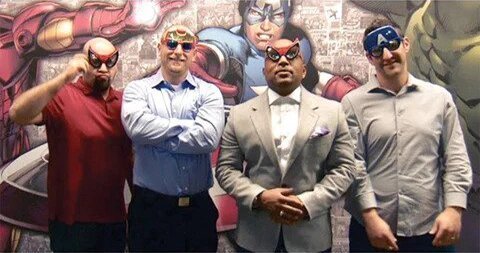
Post-Shark Tank, H2W – Sunstache continued to expand its reach. With Daymond’s guidance and connections, they secured lucrative licensing deals, including one with Marvel. This move significantly increased their sales and brand recognition, pushing their net worth higher.
Today, H2W – Sunstache is valued at a much higher figure than when they first appeared on Shark Tank. The combination of strategic partnerships and innovative product lines has propelled their growth, making them a successful player in the novelty eyewear market.
H2W – Sunstache After Shark Tank
After their memorable appearance on Shark Tank, H2W – Sunstache experienced a whirlwind of activity. The exposure from the show brought them into the spotlight, and they quickly capitalized on this newfound fame. But what exactly happened after they shook hands with Daymond John?
The deal with Daymond was a turning point for H2W – Sunstache. His expertise and network opened doors that were previously inaccessible to the team. One of the most significant achievements was securing a licensing agreement with Marvel, a feat they had attempted before without success.
This partnership with Marvel allowed H2W – Sunstache to create themed sunglasses, tapping into a massive fan base and boosting their sales dramatically. In just five months post-Shark Tank, they reported an impressive $4.2 million in sales, a testament to their growing popularity.
Beyond Marvel, H2W – Sunstache continued to explore other licensing opportunities. These collaborations helped them diversify their product offerings, appealing to different market segments and expanding their reach globally.
The company also invested in marketing and branding efforts, ensuring their products were visible across various platforms. Social media campaigns, influencer partnerships, and event sponsorships became integral to their strategy, further solidifying their presence in the market.
The journey post-Shark Tank wasn’t without challenges, but the team at H2W – Sunstache remained resilient. They adapted to market trends, listened to customer feedback, and continuously innovated their product lines, ensuring they stayed ahead of the competition.
Is H2W – Sunstache Still in Business?
With the ever-changing landscape of business, it’s natural to wonder if H2W – Sunstache is still thriving. The answer is a resounding yes. H2W – Sunstache is very much in business and continues to delight customers with its fun and innovative eyewear.
The company’s ability to adapt and innovate has been key to its sustained success. By staying attuned to market trends and consumer preferences, H2W – Sunstache has managed to remain relevant in a competitive industry. Their product line has expanded to include a variety of designs, catering to diverse tastes and occasions.
Their commitment to quality and creativity has earned them a loyal customer base that spans across different age groups. From themed parties to casual outings, Sunstache products have become a go-to accessory for many looking to add a touch of whimsy to their style.
Moreover, their strategic partnerships and licensing deals have ensured a steady stream of revenue, allowing them to invest in research and development. This focus on innovation has kept their offerings fresh and exciting, drawing new customers while retaining existing ones.
H2W – Sunstache’s journey is a testament to the power of creativity and perseverance. From a small idea to a thriving business, they have shown that with the right mix of passion and strategy, success is within reach. So, if you’re in the market for some fun and unique eyewear, H2W – Sunstache is definitely a brand worth checking out.
What’s Next For H2W – Sunstache
As H2W – Sunstache continues to ride the wave of success from their Shark Tank appearance, the future looks promising. The team is not resting on their laurels; instead, they’re gearing up for even bigger things. You might be wondering, what’s next for this innovative eyewear company?
One of the key areas where H2W – Sunstache is focusing its efforts is product expansion. They are constantly brainstorming new designs and concepts to keep their lineup fresh and exciting. With the growing demand for novelty eyewear, they see an opportunity to introduce more themes and styles that cater to various tastes and occasions.
In addition to expanding their product range, H2W – Sunstache is also exploring new markets. They aim to reach a global audience by increasing their presence in international markets. This involves setting up distribution channels and forming partnerships with retailers worldwide. Their goal is to make Sunstache a household name in the novelty eyewear industry, no matter where you are in the world.
Another exciting development is their continued collaboration with popular brands and franchises. Building on their successful Marvel partnership, H2W – Sunstache plans to secure more licensing deals. These collaborations allow them to tap into established fan bases, creating themed sunglasses that resonate with consumers. Imagine sporting sunglasses inspired by your favorite movie or TV show!
Furthermore, H2W – Sunstache is committed to sustainability. They are exploring eco-friendly materials and production methods to minimize their environmental impact. As consumers become more conscious of sustainability, this move aligns with their values and enhances their brand image.
With a strong foundation and a clear vision for the future, H2W – Sunstache is poised for continued growth. Their ability to adapt and innovate ensures they remain at the forefront of the novelty eyewear market. So, keep an eye out for their upcoming releases and exciting collaborations!
H2W – Sunstache’s Products and Services
H2W – Sunstache has carved a niche for itself in the novelty eyewear market with its unique products. Their sunglasses are not just functional; they’re a fun and whimsical accessory that adds a touch of personality to any outfit. Let’s take a closer look at what makes their products stand out.
The signature feature of Sunstache sunglasses is the attachable accessories. These include quirky mustaches, themed designs, and other playful elements that transform ordinary sunglasses into a statement piece. Whether you’re dressing up for a party or just want to make a fashion statement, Sunstache has something for everyone.
One of the standout products in their lineup is the themed sunglasses. These are inspired by popular movies, TV shows, and characters, allowing fans to express their love for their favorite franchises. From superheroes to beloved cartoon characters, Sunstache offers a wide range of themes to choose from.
In addition to sunglasses, H2W – Sunstache also provides custom design services. They cater to businesses and organizations looking to create branded eyewear for promotional events or giveaways. This service allows clients to incorporate their logos or designs, making it a unique marketing tool.
Quality is a top priority for H2W – Sunstache. They use durable materials to ensure their products are not only fun but also long-lasting. The team is dedicated to maintaining high standards in both design and production, ensuring customers receive products they can enjoy for years.
Moreover, H2W – Sunstache is committed to customer satisfaction. They offer excellent customer service, ensuring a smooth experience from purchase to delivery. Their online store is user-friendly, making it easy for customers to browse and buy their favorite designs.
With a diverse range of products and a commitment to quality, H2W – Sunstache continues to delight customers worldwide. Whether you’re looking for a fun accessory or a unique gift, their products are sure to bring a smile to your face.
FAQ’s
What Are the Latest Updates About H2W – Sunstache Shark Tank?
H2W – Sunstache has been thriving since their Shark Tank appearance. They secured a lucrative licensing deal with Marvel, significantly boosting their sales and brand visibility. The company continues to expand its product line and explore new markets, maintaining a strong presence in the novelty eyewear industry.
Did H2W – Sunstache Get a Deal on Shark Tank?
Yes, H2W – Sunstache successfully secured a deal on Shark Tank. Daymond John offered them $300,000 for a 20% equity stake, which they accepted after negotiations. This partnership has been instrumental in their subsequent growth and success.
What Happened to H2W – Sunstache Shark Tank?
After their Shark Tank appearance, H2W – Sunstache experienced significant growth. They capitalized on their newfound fame and secured a Marvel licensing deal, boosting sales to $4.2 million within five months. The company continues to innovate and expand its product offerings.
Who Owns H2W – Sunstache?
H2W – Sunstache is owned by the creative team of David Levich, Eric Liberman, and Dan Gershon. Their innovative approach and passion for novelty eyewear have driven the company’s success.
Is H2W – Sunstache Successful Now?
Yes, H2W – Sunstache is currently very successful. They continue to grow and delight customers with their unique and fun eyewear designs. Their strategic partnerships and product innovations have solidified their position in the market.
What We Know About The Founder?
The founders of H2W – Sunstache are David Levich, Eric Liberman, and Dan Gershon. They are known for their creativity and entrepreneurial spirit, which have been key to the company’s success in the novelty eyewear market.