Everyone’s seen a Shark Tank pitch that looks like a slam dunk on TV. Cameras cut. The founders celebrate. Fade to black. But let me hit you with the truth: A handshake from a Shark is just the first round. The real game? That starts when the lights go off. Let’s look at Umaro Foods—seaweed bacon, bold asks, and if any of that million-dollar deal hype actually stacks up in real life.
Smart Bets and Big Risks: Umaro Foods Steps into the Shark Tank
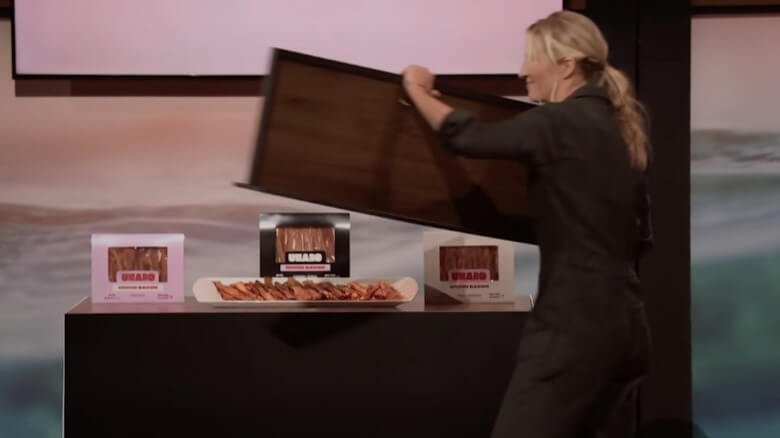
Picture this: Two scientists in sharp jumpsuits, standing center stage, slinging bacon that’s not even technically bacon. That’s Umaro Foods. Their play? $500,000 for just 2% equity. Yeah, you read that right—they were swinging for a $25 million valuation. Most folks would call that gutsy. Some might say delusional. But if you’ve ever hustled a pitch or chased a wild idea, you know crazy is where breakthrough lives.
A lot of pitches crumble under pressure. Umaro walked right into the fire—stacked numbers, pre-revenue, but carrying a product no one else in the Tank had seen before. This wasn’t just another gadget or weighted blanket. This was a bet on the next food frontier.
Who’s Behind Umaro? Meet Beth Zotter and Amanda Stiles
Let’s get something straight: It’s one thing to have a big idea. It’s another to have real credentials. Beth Zotter and Amanda Stiles? They’re the real deal. Zotter came out of renewable energy, looking for the next big lever to slow climate change. She started studying seaweed, not for sushi, but for a shot at creating scalable, sustainable protein.
Amanda Stiles isn’t just tagging along. She’s got a Ph.D. in plant biochemistry. When these two saw how seaweed protein could change the food game, they didn’t just talk about it. They built a company around the science—and scored patents to protect it. In this business, talk is cheap. Patents aren’t.
If you want to know why the Sharks listen when scientists walk in, this is it. They know it’s deeper than a catchy pitch—these founders had the technical firepower to actually pull it off.
Umaro’s Play in the Tank: Pitch, Pushback, and the Food Fight
Let’s talk about what really happened in the room. Everybody’s got a favorite Shark, but when you’re pitching seaweed bacon, nobody’s predictable.
The ask? $500,000 for 2%. That’s a nosebleed valuation for a concept still finding its market. Mark Cuban leaned in—he’s seen plant-based deals before, and he loves anything that messes with the food status quo. Robert Herjavec looked skeptical, then took a bite—and couldn’t even swallow. Raw, it didn’t work. Cooked into a BLT? Most of the Sharks came around.
Here’s where founders usually blow it: getting emotional about feedback. But Beth and Amanda held their ground. Robert and Emma bowed out—valuation too high for their taste (and maybe the bacon, too). Kevin O’Leary did his classic let’s get more equity dance—offering $500,000 for 8%. The counter? Umaro said, What about $1 million for 8%? Mark Cuban immediately put his chips in for $1 million.
Lori tried for $500,000 at 4% (but with fine print about future dilution). The founders chased Mark, squeezed him for 7%, and landed it. That’s knowing your value, working the Sharks, and not folding under pressure. Not every founder can do that.

Net Worth, Valuation, and the Cash Talks
Let’s not sugarcoat it: $1 million for 7% means Umaro walked out on a $14.3 million post-money valuation on national TV. Pre-revenue, but not pre-hype. TV magic aside, these kinds of deals can take months—or fall apart entirely—once due diligence kicks in.
So, did it stick? According to SharkWorth, Mark Cuban’s deal did move forward—but even more interesting, Umaro closed another $3 million in Series A funding days before the episode aired.
The business model? They said they could drop production costs from $7.30 to $5.20 a pound, wholesaling at $12.60 to distributors and $18.99 to food service operators. No direct-to-consumer yet—this was all about food service partnerships and scale.
What’s that worth now? Hard numbers post-show are always hush-hush. But Umaro is still alive, which isn’t guaranteed in this business. The valuation stands on science, patents, and how fast they can get seaweed on every menu.
How Does Umaro Bacon Actually Work?
Let’s break it down for anyone who’s ever tried pitching a food startup. Umaro’s bacon is all about red algae protein—the stuff of ocean farms, not Iowa pig sheds. They blend in chickpeas, coconut, and sunflower oil. The trick? Seaweed’s natural umami flavor hits those savory notes, and their process nailed the crispy, fatty bite.
So, why seaweed? It’s faster to grow than any land crop, it doesn’t need pesticides, and it soaks up carbon. Commercial plant-based bacon mostly leans on soy or peas, but only Umaro’s got the patents on making seaweed delicious. If you can explain the environmental upside in two sentences and have PA-tested sizzle, you’re already ahead.
Was This a Game-Changer for Umaro or Just TV Hype?
Here’s where you separate the hype from the grind. Shark Tank money looks sexy—so does Cuban on the cap table. But that cash won’t keep you afloat without execution.
Umaro’s real play happened after the show. Series A raised. Foodservice launches planned for later that year. Their bacon started landing on a handful of menus, not every grocery shelf. In this business, slow rollouts beat broken supply chains every time.
Where are they now? They’re still developing new SKUs—a bacon 2.0, plus promised versions of seaweed salami and pepperoni. More markets, slow and steady. Anyone expecting an impossible overnight blockbuster is missing how food actually scales. Steady execution beats one viral win.
What Does Umaro Have Cooking Next?
Founders like Beth Zotter and Amanda Stiles don’t stop at one product if the core tech works. Word is, Umaro’s working on expanding their product line beyond just bacon—targeting pepperoni and other deli classics. They’re in talks with more foodservice brands, not just niche vegan cafés. The goal? Make seaweed as common in sandwiches as wheat bread and leafy greens.
Seaweed as a movement is just starting in America. Asia already gets it. If Umaro can keep its supply chain tight and margins healthy, they could lead the next wave in plant-based meats.
Is the hype fading? Not yet. Patents and Cuban’s cash keep new competitors from copying too quickly—but expect big food to follow fast if consumers bite. Watch this space. No guarantee, but they’re still in the game.
Lessons for Entrepreneurs Watching Shark Tank at 2 am
This is the section every serious founder should tattoo on their brain. First: Valuation is a game. Set your number. Back it up. Don’t panic when a Shark lowballs you—counter hard.
Second: Numbers matter. Umaro pitched patent-protected tech, future cost reductions, and a B2B model. They knew their runway, and they showed how bigger checks mean faster tech development.
Third: Traction > hype. Every year, hundreds of Shark Tank companies disappear after their 10 minutes of fame. Umaro is around because they kept pushing, raised outside money, and shipped products—even if it wasn’t at Amazon speed.
Fourth: Pitch with confidence, not arrogance. Stand your ground (Umaro did), but listen to feedback. When Robert spit out your product, don’t flinch—fix the recipe, not the dream.
Final Word: Umaro’s Standing in the Shark Tank Hall of Fame
Let’s get real—most Shark Tank deals fizzle quietly. SharkWorth shows how many on-air investments fall apart post-filming. Not so with Umaro. They snagged a million from Mark Cuban, then raised three times that from other investors. Their patent-backed tech and slow, strategic rollout keep them in the game.
Are they Scrub Daddy? Not yet. But this play is bigger than bacon. It’s about shifting an entire protein market onto sustainable rails. Umaro’s still fighting. They’re building a category, not just a brand.
If you’re hustling for your own Shark Tank moment, take notes. You don’t win by following the crowd or making empty promises. You win by betting the farm on what you know, sticking your neck out, and building a product that makes even a Shark pause.
Umaro Foods: maybe the Sharks bit, maybe they didn’t like the taste—either way, these founders made sure their story didn’t end when the cameras stopped rolling.
FAQs
1. Is Umaro Foods still in business after Shark Tank?
Yes—Umaro Foods is still running, scaling, and growing after the show. No fake-out here.
2. Did Mark Cuban’s $1 million deal actually close?
Yes. According to multiple reports and SharkWorth, the deal went forward and Cuban is actively involved.
3. Where can you buy Umaro’s seaweed bacon now?
Mostly through select foodservice locations and some restaurants. Not widely available in retail just yet.
4. How do you compare Umaro’s bacon to real bacon or other plant-based options?
The texture and sizzle are close; taste-wise, it’s unique. It’s not pork, but it beats most vegan bacon.
5. Has Umaro expanded their product line since Shark Tank?
They’re testing new versions (pepperoni, salami) and planning more launches, but bacon is still the flagship.
6. What’s Umaro’s estimated net worth or annual revenue now?
Exact figures are private, but the last reported valuation was over $14 million post-Shark Tank, plus new Series A funds.
7. Who are Umaro’s main competitors in the plant-based meat space?
Think Impossible Foods, Beyond Meat, and Hooray Foods—each with different tech, but all in the meatless bacon fight.
8. What’s the biggest challenge Umaro faced after Shark Tank?
Scaling supply chain, hitting price targets, and getting customers to try something totally new—that’s the real marathon.
Check out more Shark Tank breakdowns and real-deal numbers at SharkWorth if you want to see which founders turned TV time into lasting money.