They got a deal… but did it really matter? If you watch Shark Tank, you know that landing a shark isn’t the finish line—it’s just another round. Some founders cave under pressure. Others spin reality, jack up their ask, and pray for a TV miracle. Moink? They walked into Season 10, Episode 15 with a different kind of fire. This wasn’t a flavor-of-the-week pitch; it was a battle cry from the heart of America’s family farms.
Let’s get past the TV hype and see how Moink really stacks up—by the numbers, the drama, and the hustle.
Straight Out the Gate: What Is Moink?
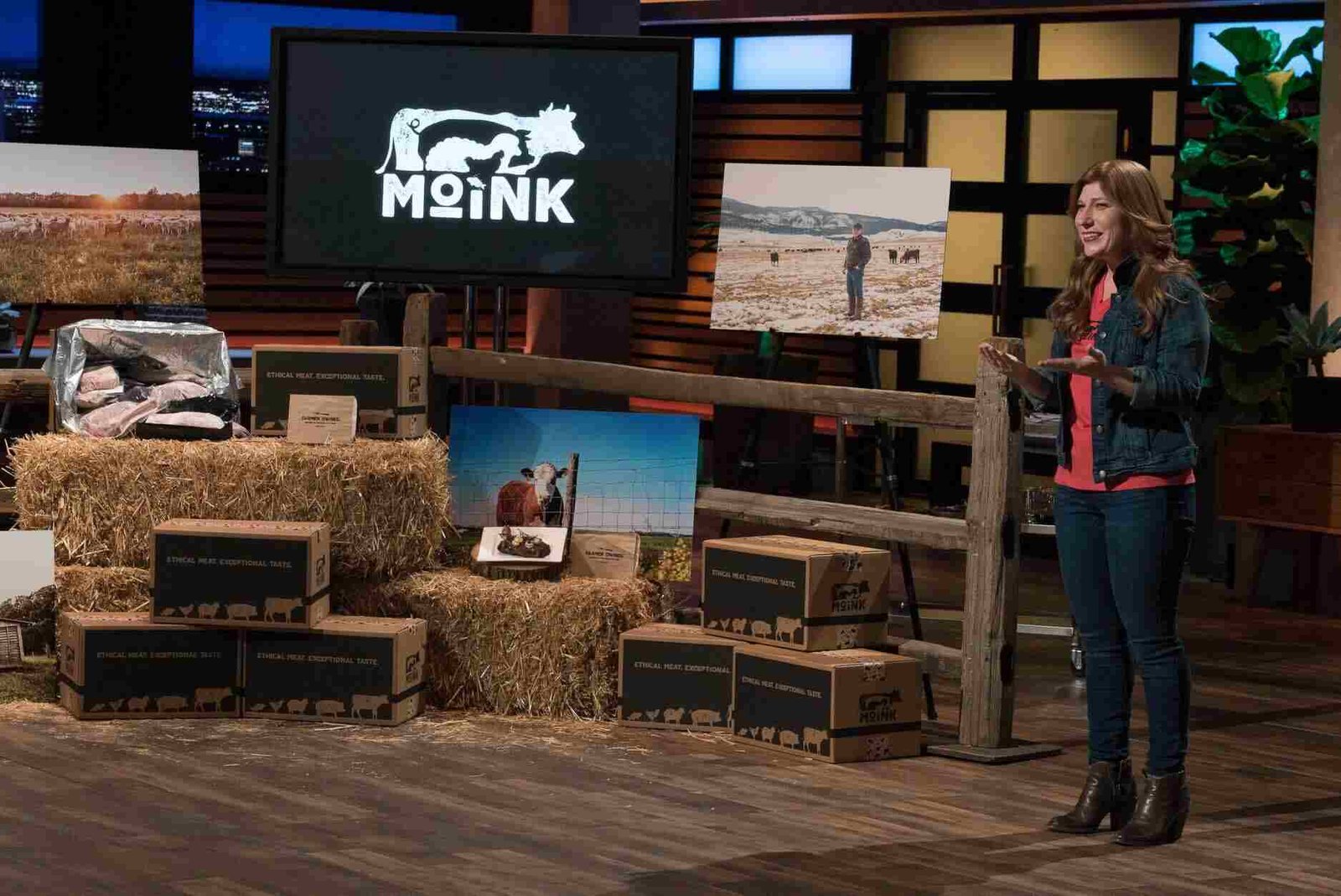
Moink isn’t some Silicon Valley subscription hustle. It’s a monthly meat box born on small Midwest farms, made for folks tired of mystery meat at the grocery store. You pick your box—beef, pork, chicken, even fish—knowing every cut comes from an independent family farm. It’s for people tired of “all natural” labels that mean nothing and beef that tastes like cardboard.
Moink had a purpose you could taste. They called out the four big meat corporations for choking out small-scale farmers and cutting every corner for profit. This was food with a chip on its shoulder.
And yes, this boldness is what made the sharks lean forward.
Who Runs This Show? The Founder’s Backstory
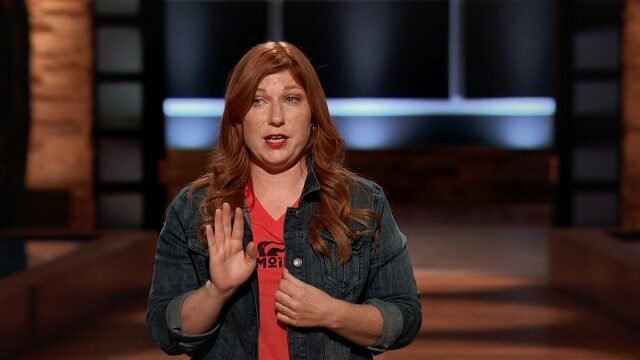
Lucinda Cramsey is not your typical pitch-room operator. She’s an eighth-generation farmer who’s seen her family lose it all—land, livestock, you name it—when the big meat processors squeezed every last penny out of small producers. No PowerPoint buzzwords from her—she wore boots, had grit in her handshake, and wasn’t shy about why she hates the industrial meat system.
Her backstory? It’s what every Shark Tank hopeful dreams of: raw, real, impossible to fake. She wanted to make good meat from real farmers more than an empty slogan. This was personal—she knew the grind, the heartbreak, and the hustle.
I’ve seen founders fake passion. This one bled for her mission. That’s why the Sharks didn’t just hear the pitch—they felt it.
How Did Moink Land on Shark Tank?
First, don’t be fooled: Shark Tank doesn’t just pick cute brands—they want stories that spark drama. Moink had that in spades.
Lucinda walked in asking for $250,000 for 10% equity. Her pitch didn’t pull punches. She put the big meat conglomerates on blast and told the Sharks they had the power to help fix a broken system—one steak at a time. She threw down numbers: 2017 sales of $85,000, leaping to $730,000 in 2018. That’s not just growth, that’s proof customers will pay for trust and quality.
She had the numbers, and she could speak to every box and every farmer. You could sense that she lived and breathed this business, not just projected it on a spreadsheet.
What Went Down in the Tank? (Pitch, Margins, and Shark Drama)
This is the meat of it. Lucinda’s ask put Moink at a $2.5 million valuation. Not crazy for a fast-growing subscription brand, especially with her kind of retention—she boasted 71%, which is uncommonly good for DTC subscriptions.
But here’s where the real risk shows up: margins. Each box cost $127 to deliver and sold for $159, leaving a slim 10% net profit. When you’re shipping perishable goods, that’s risky territory. Any supply glitch, and profits turn into losses—fast. The Sharks pounced on that:
- Lori Greiner bowed out—she’s a pescatarian, so no beef in this play.
- Daymond John didn’t connect with Lucinda’s style.
- Mark Cuban? Conflict. He had a stake in a similar company.
- Jamie Siminoff (that’s right, the Ring doorbell founder, now guest Shark) saw the upside but also the strain. Instead of nickel-and-diming, he offered $400,000 for 20% equity.
- That dropped Moink’s valuation to $2 million, but sometimes you play for scale, not glory. Lucinda hesitated—the numbers meant a smaller slice for her—but she took the deal.
I’ve seen founders hold out for every ounce of equity, then drown. Lucinda played it smart. Sometimes a bigger partner is worth more than a few lost percentage points.

Show Me the Money: Moink’s Net Worth and Valuation
Let’s cut the TV flash. At the time of the deal, Moink was valued at $2 million—the dialed-back Shark math in effect. Their 2018 revenue jump was impressive but still lean on profits, which is normal for early-stage DTC subscriptions dealing with logistics and inventory.
As for today’s net worth? Exact post-Tank numbers aren’t public, but here’s what matters: Moink survived the infamous post-Shark Tank slump. They didn’t crash, they didn’t pivot away from their core mission, and they still sell out boxes across the U.S.
When a brand outlasts the TV hype and keeps growing, that tells you all you need to know. They might not be a household name like Scrub Daddy or Bombas, but Moink’s numbers and customer love are real.
Did the Shark Bite Pay Off? Moink After the Deal
A Shark on your cap table doesn’t guarantee success. Plenty of brands ink deals, snag a wave of press, then flame out—either because their margins never make sense or they chase viral stunts over real business.
But Lucinda wrung pure value from Jamie Siminoff’s checkbook and know-how. He’s not a food mogul, but he knows about scaling direct-to-consumer businesses. That meant tightening up logistics, smoothing out the subscription churn, upgrading tech—the unsexy stuff that actually puts numbers on the board.
Moink stayed true to their mission—shipping ethically sourced, farm-raised meat from real American farms. Customers loved it. The 71% retention they touted? Rare in any subscription model. They didn’t blow the Shark money on gimmicks; they doubled down on quality and transparency.
That’s what separates hype from real traction. Even years later, Moink is still active, growing, and keeping its promise to family farms. This is one DTC brand that didn’t just grab a TV moment, but built a base.
What’s In the Box? Moink’s Product Lineup
Let’s strip away the marketing. What do you actually get for your money?
Every Moink box is a curated mix: grass-fed beef, pastured pork, chicken that ate real feed and saw daylight, and wild-caught fish. No antibiotics, no weird fillers, no factory-farm mystery. You pick the box, they pick cuts based on seasonal supply—think brisket, sausage, roasts, and more.
The cold truth: it’s not cheap, but you taste where your money goes. The quality destroys most supermarket meat. Every cut can be traced back to a specific small farm, not a feedlot number. That’s the honest hook for foodies—and for families looking to trust their food again.
Jarred bacon, all-natural meat trays, and shrink-wrapped pink chicken? Moink deliberately does the opposite.
Is Moink Winning in the Market?
Customer retention rates like 71% don’t happen by accident. People try this with their own dollars and come back—not just for the meat, but for the story. Nothing keeps a subscription business alive longer than customer stickiness. That means less spent on desperate marketing, less turnover, more predictable revenue.
Moink keeps scaling by doing the one thing the meat giants can’t—connecting eaters to actual farmers. Their loyal following? Built from delivering on hard promises and not skimping when it got tough.
Best part, in my view? The money really does flow back to family farms. I’ve seen enough farm-to-table brands that are smoke and mirrors—Moink sends real checks to small producers. That’s impact. That’s why they’re not just a drop-shipping middleman.
Are they crushing profits? Probably not Scrub Daddy margins, but in subscription food, high loyalty is gold. Moink didn’t explode overnight, but they kept moving, box by box, family by family.
No Fluff: Final Takeaway
Moink promised to shake up a rigged meat industry. Today, they’re still swinging—serving real meat, real farmers, real customers. Scaling isn’t easy, and big meat brands won’t just roll over. But Moink showed how to win on authenticity, not just marketing.
If you’re thinking about your own venture: study Lucinda Cramsey. She played both sides right—heart and numbers. She didn’t get greedy, she didn’t compromise, and she unlocked cash and mentorship when she needed it most.
Moink isn’t just another Shark Tank story. They’re the rare brand that used TV hype to kickstart deeper change—and kept their word when the episode faded away.
If you want to check real-time numbers, updates, or a deeper look, sites like SharkWorth track these stats. But the real verdict? Moink is still hustling, still winning over customers, and still putting small farmers first.
FAQs: Real Questions, Straight Answers
Is Moink from Shark Tank still in business?
Yes. Moink is still active, shipping boxes and supporting small family farms as promised.
Did Jamie Siminoff really help Moink grow after investing?
Absolutely. He brought experience scaling DTC brands, helping Moink tighten up logistics and tech.
What makes Moink’s meat different from grocery store options?
Traceability and taste. Every cut is from ethically raised livestock on real family farms—never industrial feedlots.
Can anyone order Moink, or is it limited to certain states?
Most of the U.S. is covered, with only a few regional restrictions due to shipping perishables. Double-check zip codes on their site.
How are the prices, and is it worth the money?
Pricier than grocery alternatives, but you pay for top quality and trust—no mystery meat. Many customers say it’s worth every penny.
Do they actually support family farms, or is it just good marketing?
It’s the real deal. Moink’s network is built on genuine partnerships, with money flowing directly to independent farms.
Is the subscription flexible or are there long-term commitments?
No long lock-ins. You can pause, skip, or cancel anytime—Moink wants customers who stay for the quality, not the fine print.
Has Moink expanded its products or delivery areas since Shark Tank?
Yes, the product range and delivery reach have both grown. New meats and some additional geographies have been added post-Tank.
Want more raw startup breakdowns? SharkWorth tracks every move post-Shark Tank for founders who want the real numbers. But here’s the headline: Moink stared down the food giants, took the fight to the Tank, and still plays the long game. That’s rare. That’s worth watching.